Circular Livelihoods & Inclusive Finance Project
Building jobs, dignity, and resilience
Overview
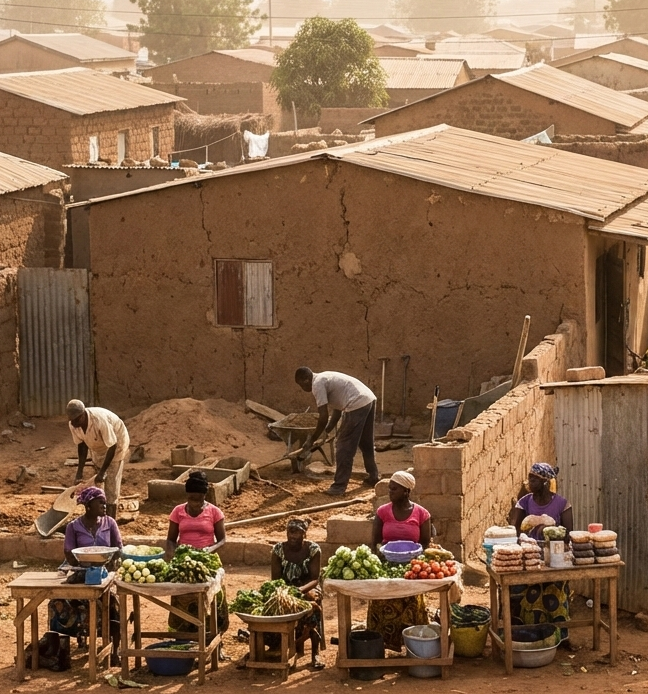
Northern Ghana’s communities are growing rapidly, yet most new urban residents depend on informal, low-income livelihoods and remain excluded from affordable finance and basic services.
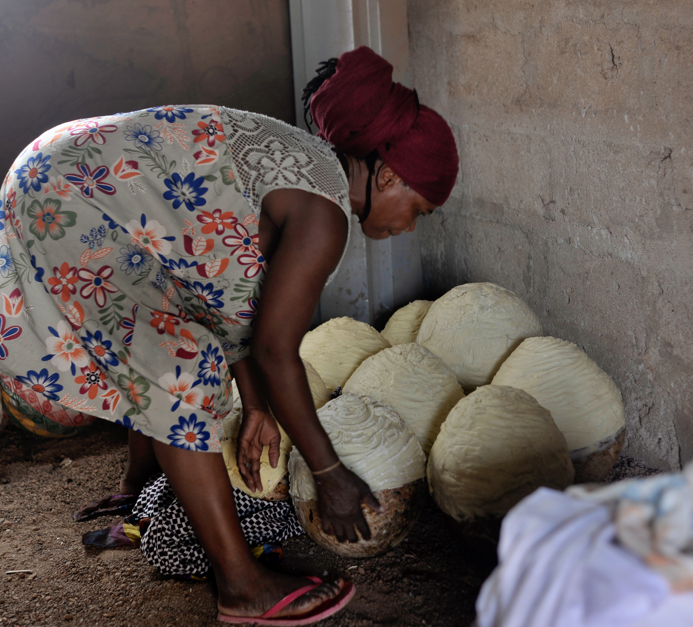
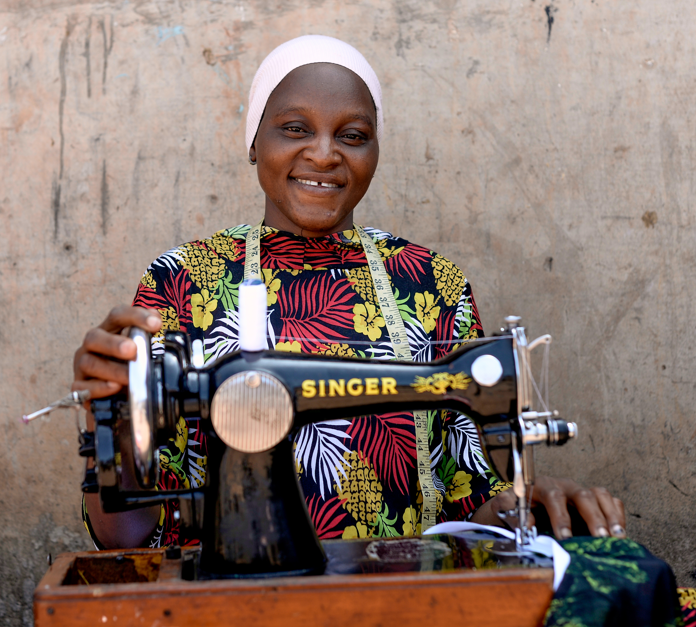
This project delivers a locally led, scale-ready solution that converts urban waste into decent jobs and links those livelihoods to inclusive, PAYG community finance enabling low-income residents to earn, save, invest, and build resilience.
The Challenge
These dynamics fuel unemployment, environmental degradation, flooding, and persistent urban poverty.
Challenge 1
70%+ of urban employment in Northern Ghana is informal
Challenge 2
Thousands of tonnes of organic and recyclable waste remain unmanaged annually in secondary cities
Challenge 3
Over 60% of low-income urban households lack access to formal credit
Challenge 4
Youth and women make up the largest share of the urban poor, earning irregular incomes below USD 3.50/day
Our Integrated Solution
Urban Circular Waste-to-Income Platform
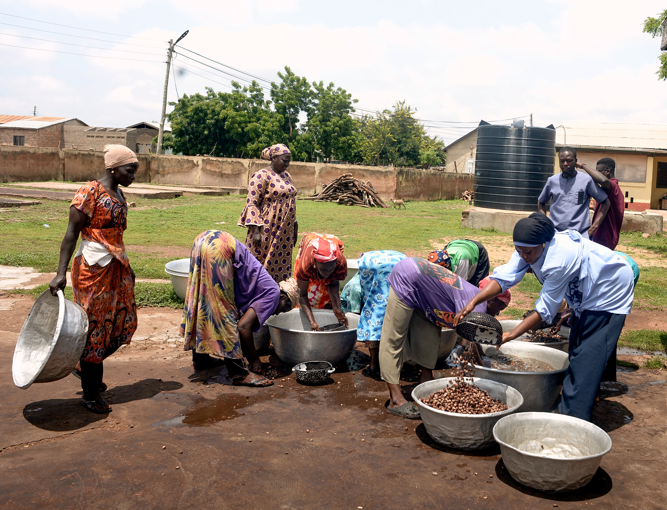
We organize informal waste collectors, processors, and micro-entrepreneurs into structured groups that convert waste into productive economic activities.
Year 1–3 targets
3,000 direct jobs created for youth and women
6,000 indirect beneficiaries (household members and value-chain workers)
15,000+ tonnes of waste collected, processed, or repurposed
20–30% income increase for participating households
PAYG Community Financing & Digital Inclusion Layer
A savings-linked, group-based financing system designed for informal urban workers.
Year 1–3 targets
12,000 individuals enrolled in savings and PAYG financing groups
USD 2–3 million in cumulative micro-loans and working capital mobilized
80% first-time access to formal or semi-formal finance
100% digital transaction records, building financial identity for the unbanked
Pathway to 1 Million Lives
Each urban hub is designed to reach 15,000–25,000 direct and indirect beneficiaries, with initial implementation in Tamale, Damongo, Nalerigu, Bolgatanga, and the Wa Metropolitan Area. The model will then expand to 40–50 communities over an 3–5 year horizon through structured partnerships with municipal authorities, cooperatives, MSME networks, and inclusive finance providers.
Group-based savings and community financing mechanisms enable rapid, low-cost expansion while maintaining accountability and inclusion. Together, this approach establishes a credible pathway to reaching over one million low-income urban residents in Northern Ghana and beyond.
Why This Matters
By integrating circular livelihoods, inclusive finance, and climate resilience, this platform strengthens informal urban economies while delivering cleaner, safer, and more resilient communities, designed locally and built to scale through collaboration.
We welcome community partners, innovators, municipalities, and funders committed to building thriving and equitable urban futures in Northern Ghana.
Join us to turn waste into work, finance into dignity, and communities into places where everyone can thrive.